Putting My New Bracelet Template to the Test
After updating my bracelet template with extra rows, it’s finally time for the real test!
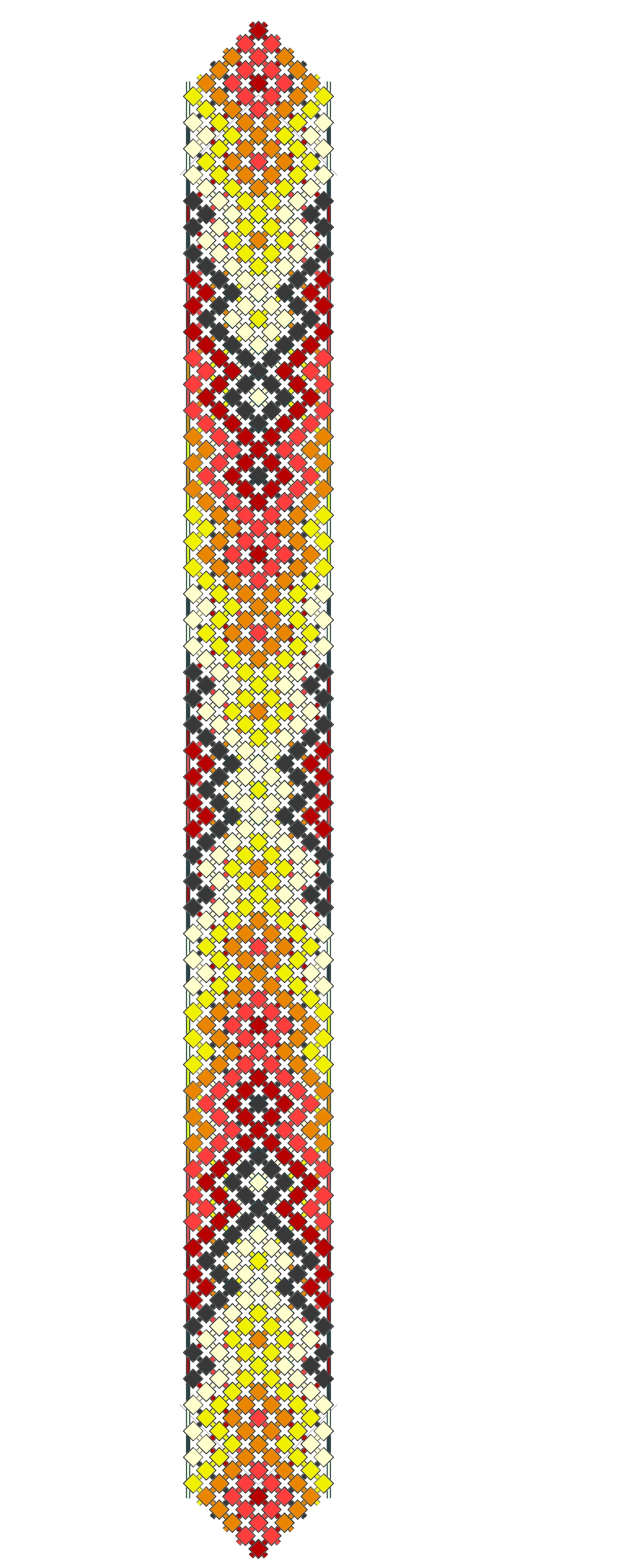
For this experiment, I’m using friendship-bracelets.net pattern #28—a pattern I know extremely well. Since it uses all of the strings fairly evenly, it’s the perfect way to find out whether my longer template is practical or if I’ve pushed it a little too far.
In this video, I:
- Map out the bracelet using a six-color gradient.
- Explain why pattern #28 is ideal for testing a new template.
- Walk through the color flow and string paths.
- Talk about balancing bracelet length with string usage.
- Assemble the completed pattern using my mirrored template workflow.
The biggest question isn’t whether the pattern works—it already does. The question is whether those extra rows create a bracelet that’s a better length without causing any string-length problems.
Next up, I’ll tie the bracelet and we’ll find out if the experiment was a success!
💬 If you could change one thing about your bracelet templates, what would it be?
⭐ Become a YouTube Member by clicking the Join button next to Subscribe. Your support helps fund new tutorials, templates, and bracelet experiments.
👍 If you enjoyed this video, don’t forget to Like, Subscribe, and turn on notifications for future bracelet tutorials!
If you like this pattern and would like to support my work >>>

Can making a bracelet smaller actually make it take longer?
In this video, I tie friendship-bracelets.net pattern #28 using just six strands of embroidery floss (12 working strings), creating a bracelet that’s only about 1 cm wide. I also put my newly extended template to the test by adding extra rows to make the bracelet slightly longer.
The results were surprising.
This bracelet took 1 hour and 37 minutes to complete—longer than I expected—and now I’m trying to figure out whether the extra length is responsible or if working with thinner strands simply requires more time.
In this video I discuss:
- How the extended template performed.
- Why these petite bracelets have become a priority after my recent art fair.
- The differences between doubled strands and single strands.
- Which colors used the most string.
- Why some arrowhead directions feel more natural to tie than others.
- Ideas for future six-color bracelet designs.
I’m really enjoying revisiting familiar patterns at this smaller scale. It’s giving me a whole new appreciation for designs I’ve tied many times before.
💬 What six-color pattern should I try next? Arrowheads, zigzags, or something completely different? Leave your suggestions in the comments!
🛍️ If you’d like to see my finished bracelets, visit akaawol.com to browse the shop and see what’s currently available.
⭐ Become a YouTube Member by clicking the Join button next to Subscribe to help support future tutorials, experiments, and bracelet designs.
👍 If you enjoyed this video, don’t forget to Like, Subscribe, and turn on notifications!
#friendshipbracelets #braceletmaking #pattern28 #diy #craft #akaawol #arrowhead #handmade #jewelrymaking #embroideryfloss
